
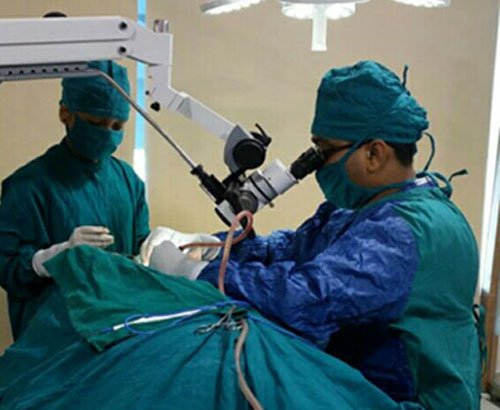
Latest ENT Treatment Technologies Every Patient Should Know About
Advancements in medical technology have transformed the way ear, nose, and throat (ENT) conditions are diagnosed and treated. Patients today have access to safer, more precise, and minimally invasive procedures that offer faster recovery and improved outcomes. Whether you are dealing with sinus problems, hearing loss, allergies, or throat disorders, consulting the Best ENT Doctor in Surat can help you benefit from the latest treatment technologies available in modern ENT care.
The Importance of Technological Advancements in ENT Care
Traditional ENT treatments often involved lengthy recovery periods and more invasive procedures. Modern technologies have significantly improved patient experiences by enhancing diagnostic accuracy, reducing discomfort, and minimizing treatment risks.
These innovations allow ENT specialists to detect problems earlier and provide highly targeted treatments.
Endoscopic Sinus Surgery
One of the most significant advancements in ENT care is Functional Endoscopic Sinus Surgery (FESS). This minimally invasive procedure uses a thin, flexible endoscope equipped with a camera to examine and treat sinus conditions.
Benefits of Endoscopic Sinus Surgery
- Smaller incisions or no external cuts
- Improved visualization of sinus structures
- Reduced pain and discomfort
- Faster recovery time
- Effective treatment for chronic sinusitis and nasal polyps
Patients suffering from long-term sinus problems often experience significant relief with this advanced procedure.
Advanced Nasal Endoscopy
Nasal endoscopy has become an essential diagnostic tool in ENT practice. The procedure allows specialists to examine the nasal passages and sinus openings in detail.
Uses of Nasal Endoscopy
- Diagnosing chronic sinus infections
- Identifying nasal polyps
- Detecting structural abnormalities
- Evaluating persistent nasal congestion
The technology provides real-time images that help ensure accurate diagnosis and treatment planning.
Hearing Assessment Technologies
Modern hearing evaluation tools have greatly improved the diagnosis of hearing disorders.
Digital Audiometry
Digital audiometry provides precise measurements of hearing ability across different frequencies and sound levels.
Tympanometry
This test evaluates middle ear function and helps diagnose conditions such as fluid buildup, eardrum abnormalities, and Eustachian tube dysfunction.
Early detection of hearing problems allows for more effective treatment and better long-term outcomes.
Advanced Hearing Aids
Hearing aid technology has evolved dramatically in recent years.
Features of Modern Hearing Aids
- Noise reduction technology
- Bluetooth connectivity
- Smartphone integration
- Rechargeable batteries
- Personalized sound settings
These advanced devices provide clearer sound quality and improved comfort for individuals with hearing loss.
Coblation Technology
Coblation is a modern surgical technique that uses low-temperature radiofrequency energy to remove or reshape tissue.
Common Applications
- Tonsil removal
- Adenoidectomy
- Treatment of sleep apnea
- Nasal obstruction procedures
Compared to conventional surgical methods, coblation often results in less pain, minimal bleeding, and quicker recovery.
Allergy Testing and Immunotherapy
Advanced allergy testing methods help identify specific allergens responsible for chronic symptoms.
Benefits of Modern Allergy Management
- Accurate identification of triggers
- Customized treatment plans
- Long-term symptom control
- Reduced dependence on medications
Immunotherapy can help patients gradually build resistance to allergens and achieve lasting relief.
Laser-Assisted ENT Procedures
Laser technology is increasingly used in ENT treatments for its precision and effectiveness.
Advantages of Laser Treatment
- Reduced bleeding
- Minimal tissue damage
- Faster healing
- Enhanced surgical accuracy
Laser procedures may be used for throat lesions, nasal blockages, and certain airway conditions.
Sleep Apnea Diagnostic Technologies
Sleep-related breathing disorders are becoming more common. Modern sleep studies and diagnostic tools help ENT specialists identify the severity of sleep apnea and recommend appropriate treatment options.
Early diagnosis can significantly improve sleep quality and reduce associated health risks.
Benefits of Modern ENT Technologies
- The latest technologies offer several advantages:
- More accurate diagnoses
- Minimally invasive treatments
- Reduced recovery times
- Better patient comfort
- Improved treatment outcomes
These advancements continue to enhance the quality of care available to patients with ENT disorders.
Conclusion
Modern ENT treatment technologies have revolutionized the diagnosis and management of ear, nose, and throat conditions. From advanced diagnostic tools and minimally invasive surgeries to innovative hearing solutions and allergy treatments, patients now have access to safer and more effective care than ever before. Staying informed about these developments can help you make better healthcare decisions and achieve faster recovery. For expert guidance on the latest ENT treatments and personalized care, consult Dr. Harit Trivedi, who is committed to providing advanced solutions for a wide range of ENT conditions.