
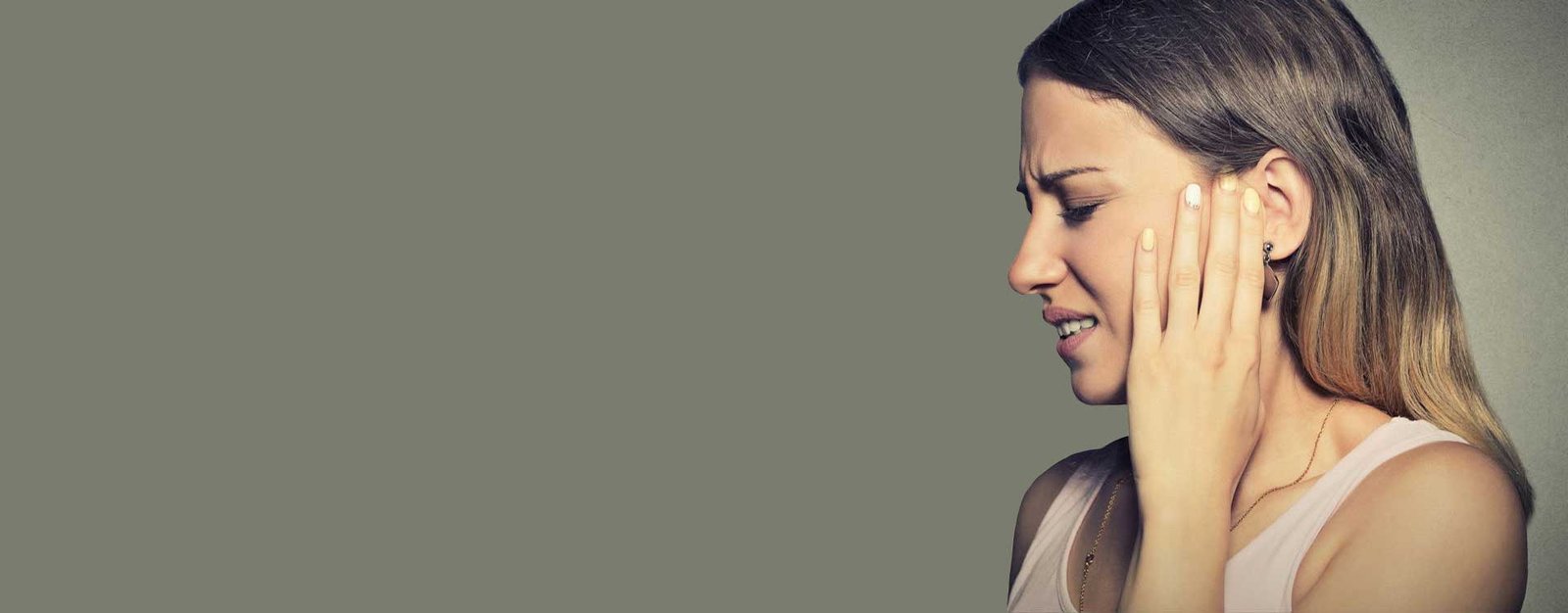
Understanding the Early Warning Signs of Hearing Damage
Hearing is one of our most valuable senses, allowing us to communicate, work efficiently, and stay connected with the world around us. Unfortunately, hearing damage often develops gradually, making it difficult to recognize until significant loss has already occurred. Identifying the warning signs early and seeking guidance from the Best ENT Doctor in Surat can help prevent further deterioration and improve treatment outcomes. Understanding these early symptoms is essential for protecting your long-term hearing health.
What Is Hearing Damage?
Hearing damage occurs when the delicate structures of the ear become injured or stop functioning properly. This may happen due to aging, prolonged exposure to loud noise, infections, certain medications, or underlying medical conditions.
Hearing loss can affect one or both ears and may range from mild to severe. The earlier it is detected, the better the chances of managing the condition effectively.
Why Early Detection Matters
Many people ignore subtle hearing changes because they occur gradually. However, untreated hearing loss can impact communication, relationships, work performance, and overall quality of life.
Early diagnosis can:
- Slow the progression of hearing loss
- Improve communication abilities
- Enhance treatment success
- Prevent social isolation
- Support better mental and emotional well-being
Recognizing the warning signs is the first step toward preserving your hearing.
Common Early Signs of Hearing Damage
Difficulty Understanding Conversations
One of the earliest symptoms is difficulty following conversations, especially in crowded or noisy environments.
You may notice that:
- People seem to mumble frequently
- Conversations become harder to follow
- You often ask others to repeat themselves
Many individuals mistakenly assume others are speaking unclearly when hearing loss is actually developing.
Frequently Increasing Volume Levels
If you regularly increase the volume on televisions, smartphones, or other devices, it may indicate reduced hearing sensitivity.
Family members often notice this symptom before the affected individual does.
Ringing in the Ears (Tinnitus)
Tinnitus is the perception of sound without an external source.
Common descriptions include:
- Ringing
- Buzzing
- Hissing
- Whistling
Persistent tinnitus can be an early warning sign of hearing damage and should be evaluated by an ENT specialist.
Difficulty Hearing High-Pitched Sounds
Hearing loss often affects high-frequency sounds first.
You may struggle to hear:
- Children's voices
- Doorbells
- Phone notifications
- Birds chirping
This subtle symptom is commonly overlooked during the early stages.
Feeling Exhausted After Conversations
When hearing becomes difficult, the brain works harder to process sounds and speech.
As a result, many people experience:
- Mental fatigue
- Difficulty concentrating
- Frustration during conversations
- Social withdrawal
These symptoms can affect daily productivity and emotional well-being.
Common Causes of Hearing Damage
Prolonged Noise Exposure
Exposure to loud sounds is one of the leading causes of hearing loss.
Examples include:
- Loud music through headphones
- Industrial machinery
- Construction equipment
- Traffic noise
- Fireworks
Repeated exposure can permanently damage the inner ear.
Aging
Age-related hearing loss is common and usually develops gradually over time.
Ear Infections
Untreated ear infections can sometimes affect hearing and cause long-term complications.
Medical Conditions
Certain health conditions may increase the risk of hearing damage, including:
- Diabetes
- High blood pressure
- Autoimmune disorders
Ototoxic Medications
Some medications may affect hearing when used for prolonged periods or in high doses.
How Hearing Damage Is Diagnosed
An ENT specialist may recommend several tests to assess hearing function, including:
Audiometry
Measures hearing ability across different sound frequencies.
Tympanometry
Evaluates middle ear function and eardrum movement.
Physical Ear Examination
Helps identify infections, earwax buildup, or structural abnormalities.
Accurate diagnosis helps determine the most appropriate treatment approach.
Protecting Your Hearing
Preventive measures can significantly reduce the risk of hearing damage.
Limit Noise Exposure
Use ear protection in noisy environments and keep headphone volume at safe levels.
Treat Ear Problems Promptly
Seek medical attention for ear infections, pain, or hearing changes.
Schedule Regular Hearing Evaluations
Routine hearing tests can identify problems before they become severe.
Maintain Overall Health
Managing chronic conditions such as diabetes and hypertension can help support hearing health.
Conclusion
Hearing damage often develops slowly, making early symptoms easy to miss. Difficulty understanding conversations, ringing in the ears, increasing volume levels, and trouble hearing high-pitched sounds should never be ignored. Early diagnosis and treatment can help preserve hearing and improve quality of life. If you notice any warning signs, consult Dr. Harit Trivedi for a comprehensive hearing evaluation and personalized care to protect your long-term auditory health.